Unlock Your Website's Potential: The Ultimate WordPress SEO Audit Service Guide
The manual titled "Unlock Your Website's Potential: The Ultimate WordPress SEO Audit Service" acts as an essential resource for those seeking to strengthen their site's online presence. It delivers a systematic framework to conducting a detailed SEO audit, examining critical aspects like technical evaluations and content standards. Understanding these elements can produce meaningful gains in online exposure and audience connection. However, some tend to miss critical factors that could impede their success. What are those details?
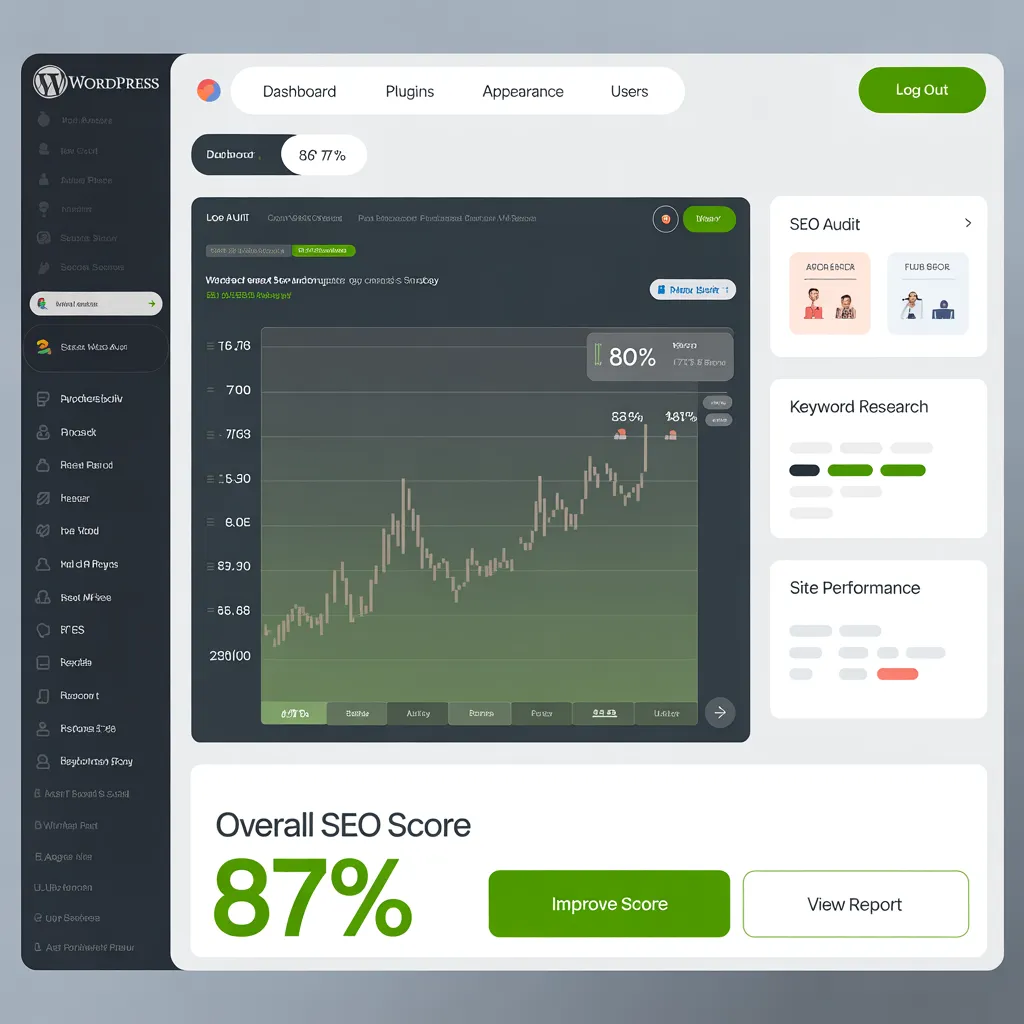
How to Perform an Effective SEO Audit
To carry out a comprehensive SEO audit, one must systematically assess several key components that impact a website's search engine performance. This undertaking commences with examining the site's technical foundation, guaranteeing that it is accessible to search engines and users alike. Aspects like site speed, mobile responsiveness, and secure connections significantly contribute to overall success.
Furthermore, the quality of content should be scrutinized, paying close attention to relevance, keyword optimization, and originality. Reviewing user interaction metrics can provide insights into how successfully visitors connect with the content.
Additionally, analyzing backlinks and domain authority is essential for understanding a web presence's trustworthiness and competitive position. Locating broken links and enhancing meta tags also strengthen the domain's search visibility.
In conclusion, tracking and monitoring performance through analytics tools supports continuous improvement. An in-depth audit not only reveals weaknesses but also highlights opportunities for growth, effectively boosting the visibility and effectiveness of a website in search engine results.
Essential Elements of Your SEO Assessment Framework
When evaluating the SEO performance of a website, two key factors stand out: on-page optimization factors and a comprehensive technical SEO checklist. Such factors play a crucial role in enhancing visibility and user experience. A thorough understanding of each aspect is essential for a comprehensive audit.
On-Page Optimization Factors
Key on-page optimization elements play a vital role in boosting a website's search engine performance and overall user experience. Core components include the purposeful placement of keywords in titles, headers, and content to ensure relevance and enhance rankings. Meta descriptions must be engaging and precisely represent page content, driving click-throughs. Additionally, the importance of high-quality, original content cannot be overstated, as it engages users and reduces bounce rates. Image optimization, encompassing alt text and file sizes, leads to improved loading speeds and accessibility. Internal linking improves navigation and defines content hierarchy, while mobile responsiveness ensures a consistent experience across devices. Combined, these components build a robust framework for effective SEO, increasing organic traffic and optimizing overall site performance.
SEO Technical Checklist
A detailed technical SEO framework is critical for identifying and resolving issues that may hinder a site's effectiveness in search engine rankings. Essential factors encompass assessing page load times, verifying mobile optimization, and validating SSL security. Furthermore, well-organized URL structures and optimized XML sitemaps enable more efficient indexing by search engines. One must identify broken links and implement redirects where necessary to optimize the browsing experience. Verifying that robots.txt files are accurately structured avoids inadvertently restricting important content. Furthermore, structured data markup enhances search visibility by providing context to search engines. Performing routine technical SEO audits helps webmasters preserve top-level performance and stay ahead in competitive online markets.
How to Improve Your Content for Search Visibility
Enhancing content for search engine visibility requires a strategic approach that balances informative writing with keyword integration. To reach this objective, content writers should carry out detailed keyword research, identifying terms and phrases that resonate with their target audience. Weaving these keywords seamlessly into headings, subheadings, and body text enhances relevance without compromising readability.
Additionally, developing quality content that captivates readers is essential. This includes employing a clear and organized structure, including various multimedia elements, and fulfilling user intent. Creating impactful meta descriptions and title tags that contain targeted primary keywords can significantly boost click-through rates.
Consistently refreshing content is equally important; fresh information signals to search engines that the website remains relevant. Additionally, making content easily shareable across social media channels can expand reach and exposure. By applying these techniques, website administrators can considerably strengthen their content's search visibility, generating organic traffic and enhancing overall site effectiveness.
Essential Tools for Your WordPress SEO Audit
Conducting a thorough SEO audit for a WordPress site demands the appropriate tools to identify opportunities for improvement and boost search performance. Key tools consist of Google Analytics, which monitors user behavior and traffic sources, assisting in identifying high-performing content. Additionally, Google Search Console proves indispensable for tracking site health and gaining insight into how search engines index the site.
SEO tools like All in One SEO Pack and Yoast SEO deliver real-time optimization feedback, guaranteeing content meets best practices. For technical audits, tools such as Screaming Frog SEO Spider can analyze site architecture and identify broken links or missing metadata. Moreover, SEMrush and Ahrefs offer thorough keyword research and competitor intelligence, vital for enhancing SEO approaches. By making use of these tools, website owners can gain actionable insights, leading to improved site visibility and performance across search engine results.
SEO Audit: Critical Missteps to Watch Out For
When performing an SEO audit, many website owners tend to miss frequent mistakes that may compromise their work. One critical error is overlooking the need to check the web page's mobile optimization. With increasing mobile traffic, a web page not optimized for mobile can experience ranking drops. Furthermore, overlooking the importance of checking website speed can lead to an unsatisfactory browsing experience and higher bounce rates.
One frequently overlooked issue is overlooking the value of URL structure. Clean, descriptive URLs support more effective indexing and enhance user understanding. In addition, a great number of audits neglect the assessment of on-site SEO components, such as title elements and meta tags, which are critical for ranking in search engines.
Lastly, website owners often focus solely on technical elements without accounting for content standards. Quality, targeted content is vital for capturing visitor interest and enhancing search engine rankings. Steering clear of these mistakes can considerably boost the impact of an SEO audit, producing more favorable optimization achievements.
How to Determine If Your Audit Was Effective: Essential Metrics to Track?
Upon finishing an SEO evaluation, it is important to evaluate its impact through critical performance indicators. Growth in organic traffic, improvements in keyword rankings, and an analysis of bounce rates deliver important information regarding the outcome of implemented changes. Tracking these indicators can be instrumental in assessing the comprehensive influence of the audit on the performance of the website.
Natural Traffic Expansion
Measuring the performance of an SEO audit is determined by a few essential metrics that indicate organic traffic growth. One essential measure is the aggregate number of organic visitors to the website, which can be monitored using tools like Google Analytics. Moreover, monitoring the bounce rate offers a glimpse of user engagement; a falling bounce rate often signals improved content relevance. Session page view counts can also show how effectively users navigate the site. Furthermore, tracking the average session duration assists in determining whether visitors consider the content worthwhile. Finally, analyzing referral sources can pinpoint which channels fuel organic traffic. Combined, these metrics provide an extensive view of how well an SEO audit enhances organic traffic growth.
Keyword Ranking Enhancement
Tracking keyword ranking improvement functions as a critical measure of an SEO audit's effectiveness. By analyzing specific performance data, website owners can evaluate the effect of their SEO strategies. Essential metrics include shifts in targeted keyword positions, the number of keywords ranking on the first page, and fluctuations in search engine visibility. Moreover, analyzing the average position of keywords over time gives perspective on whether strategies are yielding positive results. Leveraging platforms such as Google Search Console and rank tracking tools can simplify this workflow, delivering in-depth analytics. Ultimately, consistent improvements in keyword rankings confirm that the SEO audit has positively boosted the site's relevance and authority, establishing the path toward ongoing natural search traffic expansion.
Bounce Rate Assessment
Analyzing bounce rate metrics offers key indicators into the efficiency of an SEO assessment. A high bounce rate often indicates that users are failing to interact with the online platform, suggesting likely challenges involving content relevance or user experience. Conversely, a dropping bounce rate after an SEO review can indicate enhancements to content quality, site navigation, and keyword alignment.
Critical metrics to evaluate consist of the typical time users spend on the website and the number of pages viewed per session. Such discover here metrics assist in evaluating user engagement and satisfaction. Additionally, dividing bounce rate information by traffic channel can identify which channels yield the greatest results. Examining these indicators offers greater insight into the audit's performance and aspects that demand further refinement.
Apply Your SEO Audit Results
Taking action on the findings of an SEO audit is essential for boosting the performance of a website. After the audit has been completed, prioritizing the identified issues is crucial. Webmasters should first address the most impactful areas, like technical SEO issues, which can greatly affect rankings in search engines. Implementing recommended changes, such as enhancing page load speed and resolving broken links, should be a top priority.
Furthermore, refining on-site elements, including content quality and meta tags, will boost audience engagement and decrease bounce rates. Routinely revising content guided by keyword data likewise confirms continued relevance in search rankings.
Ultimately, establishing a measurement framework to track the effectiveness of these changes is essential. Using tools like Google Analytics can assist in evaluating fluctuations in traffic and user behavior over time. By systematically tackling audit findings, web managers can unlock their site's potential, enhancing online presence and generating increased organic visitors.
Common Questions and Answers
How Frequently Should I Conduct an SEO Audit on My Website?
An SEO audit should be performed a minimum of every six months to guarantee a website remains optimized and competitive. Nevertheless, more regular audits—like quarterly reviews—may be highly valuable, most notably after substantial shifts in algorithms or website content. Consistent assessments assist in identifying technical issues, content gaps, and growth opportunities, ultimately enhancing search visibility and user experience. Remaining proactive in auditing efforts can result in lasting online success and improved search engine rankings.
Can I Do an SEO Audit Without Technical Skills?
Yes, it is possible to carry out an SEO audit without specialized technical knowledge. A wide range of user-friendly tools and web-based platforms deliver step-by-step support, allowing individuals to assess their website's SEO health. Elementary familiarity with SEO concepts, including keyword usage and content quality, can strengthen the process. That said, for more intricate problems, reaching out to experts or leveraging detailed guides may prove valuable in achieving a comprehensive review.
How Much Do Professional SEO Audit Services Cost?
The price of professional SEO audit services can differ significantly, generally falling between $500 and several thousand dollars. Elements that affect the cost include the intricacy of the website, the level of analysis needed, and the proficiency of the service provider. Smaller websites are often associated with lesser expenses, while bigger or more sophisticated sites commonly demand detailed audits, contributing to increased costs. Clients should assess their needs and budget accordingly before selecting a service.
What Is the Typical Duration of an SEO Audit?
An SEO audit typically takes anywhere from anywhere between a few hours and several days, depending on the complexity of the website and the depth of the analysis required. With smaller websites, a fundamental audit can typically be finished within one to three hours, while larger or more intricate sites may require a week or more for a detailed evaluation. Thoroughness is essential, as it guarantees that all aspects of SEO are adequately assessed and addressed.
Does an SEO Audit Help Improve My Website's User Experience?
An SEO audit can greatly improve a website's overall user experience. By uncovering challenges like sluggish page load times, inadequate site navigation, and non-mobile-friendly designs, the audit reveals opportunities for improvement. Applying the suggested improvements can result in faster page loads, clearer content organization, and a more intuitive interface. These upgrades not only fulfill user demands but also enhance overall engagement and retention, which ultimately results in a better overall online experience for users.